


 0
0

From Fuel to Future: Why Hybrid Systems Are the Next Big Thing in Boating
- by Five Power Products
- August 13, 2025
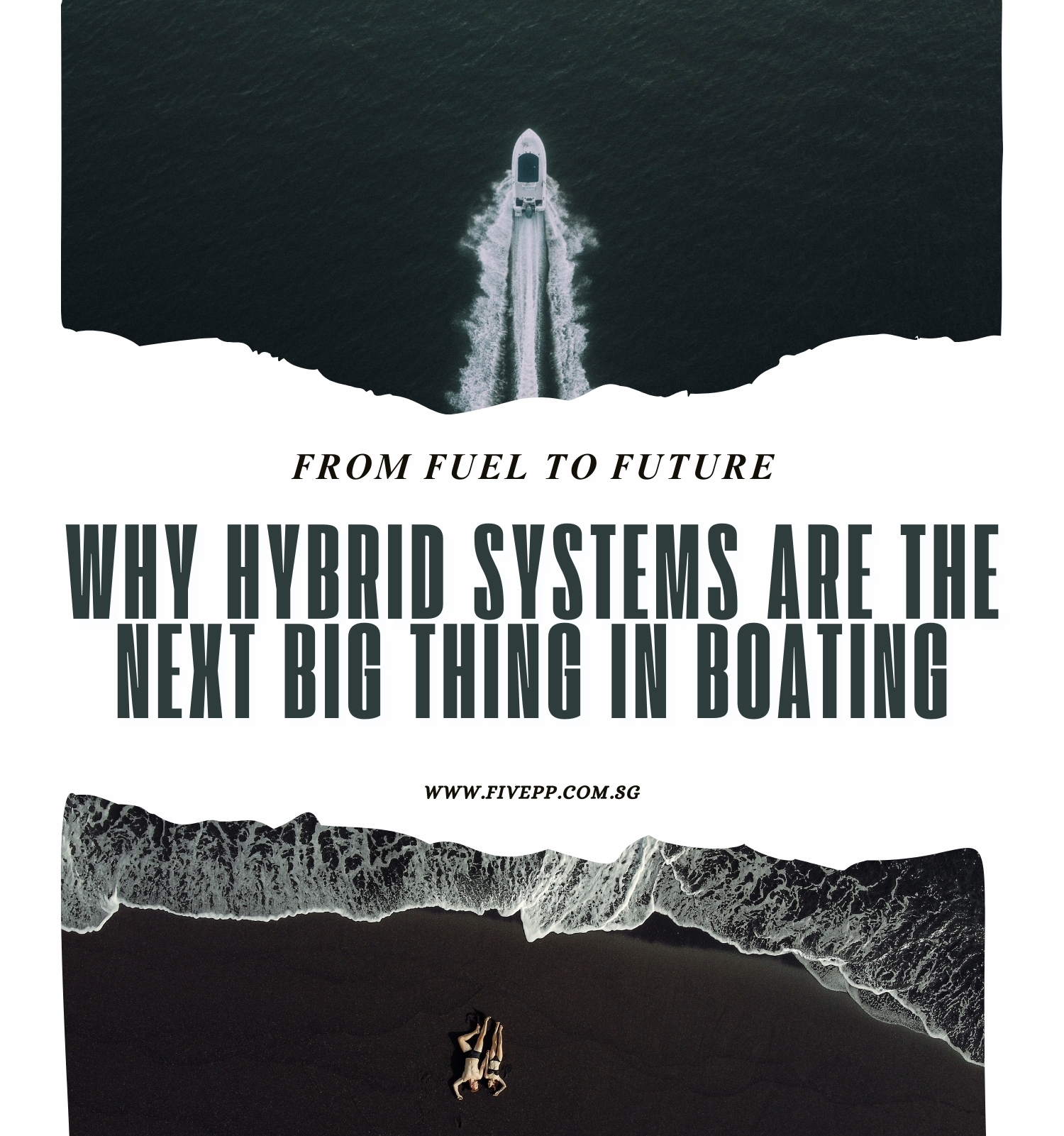
In recent years, the boating industry has been riding the wave of innovation. Among the most exciting developments
is the rise of hybrid propulsion systems — a technology that blends the proven power of traditional engines with the
efficiency and sustainability of electric motors. From leisure yachts to commercial ferries, hybrid systems are
steadily redefining the way vessels are powered.
What Is A Hybrid Marine System?
A hybrid marine propulsion system combines two power sources:
– A conventional diesel or gasoline engine for long-distance cruising and high-speed operation.
– An electric motor with battery storage for low-speed maneuvering, silent operation, and reduced emissions.
Depending on the vessel and design, the system can operate in parallel (engine and motor work together or separately)
or series (the engine acts mainly as a generator to power the motor). This flexibility makes hybrid systems adaptable
to different boating needs.
Why Hybrid Systems Are Gaining Popularity?
1. Fuel Efficiency and Cost Savings
By switching to electric power during low-speed operations — such as in harbors, marinas, or near shorelines — fuel
consumption drops significantly. Over time, this can lead to substantial cost savings.
2. Lower Emissions
Environmental regulations are tightening globally. Hybrid systems help vessels comply with emission control
requirements, reducing pollutants like NOx, SOx, and CO₂.
3. Quieter Operation
In electric mode, hybrid boats produce minimal noise, improving onboard comfort for passengers and crew while
minimizing disturbance to marine wildlife.
4. Operational Flexibility
Captains can switch between power sources depending on conditions, balancing performance with efficiency.
5. Longer Engine Life
Reduced engine load during low-speed operations means less wear and tear, lowering maintenance needs.
Where Hybrid Systems Excel
– Leisure Yachts & Cruisers – Enjoy silent cruising in scenic areas without sacrificing range.
– Commercial Ferries – Reduce operating costs and comply with urban port emission rules.
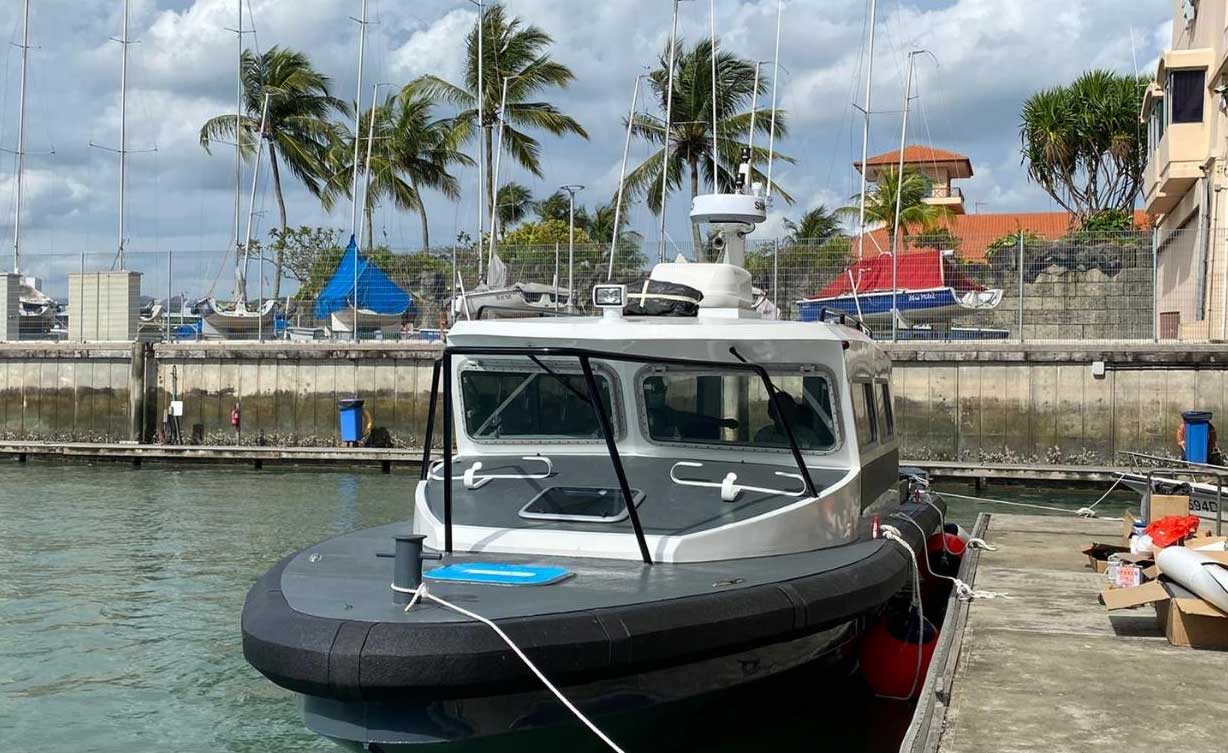
– Patrol Boats & Research Vessels – Operate quietly for observation and data collection.
– Tour Boats – Enhance passenger experience with quieter, smoother rides.
Challenges to Consider
While hybrid systems bring many benefits, they also come with considerations:
– Higher Initial Cost – Advanced technology and battery systems increase the purchase price.
– Weight & Space Requirements – Batteries and additional components require careful integration.
– Battery Lifecycle – Replacement and recycling must be factored into long-term costs.
The Future of Hybrid Boating
As battery technology advances and renewable energy integration (such as solar panels and wind-assisted charging)
becomes more common, hybrid marine systems will continue to evolve. The push for cleaner, greener oceans will only
accelerate their adoption, making them a key stepping stone toward fully electric vessels.
In short: Hybrid marine systems are not just a trend — they’re a practical, future-ready solution for boat owners
seeking efficiency, flexibility, and sustainability. By bridging the gap between traditional fuel and electric power,
they offer the best of both worlds for the modern marine industry.
More info on our website: https://www.fivepp.com.sg/blogs/
Check our social media page: https://www.facebook.com/fiveab/
Recently View Article






message us
Need more information or assistance?
We are here to help.