


 0
0

Diesel vs. Gasoline Marine Engines: Which is Better?
- by Five Power Products
- October 28, 2024
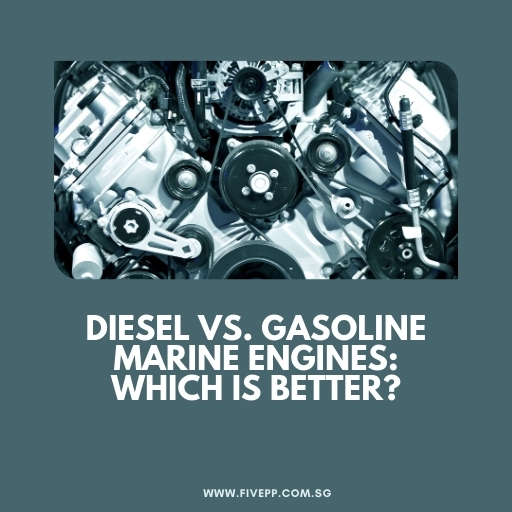
Marine engines choosing for a boat can be a tough decision for many vessel owners. Diesel and gasoline engines are the two main options, each with its own set of benefits and drawbacks. Understanding these differences is crucial to making an informed choice that fits your boating needs. In this article, we will explore the key factors to consider when choosing between diesel and gasoline marine engines.
Performance and Power
Diesel Engines: Diesel engines are known for their torque, which translates to better pulling power at lower RPMs. This makes
them ideal for heavy boats, commercial vessels, and offshore cruising, where consistent power is needed for long durations.
Their ability to maintain power under heavy loads is unmatched, making them suitable for applications such as tugboats,
fishing boats, and yachts.
Gasoline Engines: Gasoline engines, on the other hand, are generally lighter and deliver higher speeds, making them more
suitable for smaller boats or those used for water sports and recreational purposes. They rev higher than diesel engines,
allowing for faster acceleration and top speeds, which is perfect for speedboats, personal watercraft, or sport fishing vessels.
Fuel Efficiency and Cost
Diesel Engines: Although diesel fuel is typically more expensive than gasoline, diesel engines are more fuel-efficient, meaning
they consume less fuel for the same amount of work. Over time, this efficiency can lead to significant cost savings, especially
for those who operate their boats frequently or for long trips. Diesel engines also tend to last longer than gasoline engines
due to their robust construction.
Gasoline Engines: Gasoline engines are less fuel-efficient and require more fuel for similar performance compared to diesel
engines. While the initial cost of a gasoline engine is often lower, the higher fuel consumption can increase operating costs in
the long run. However, for boaters who only use their vessels occasionally, the difference in fuel costs might not be as
significant.
Maintenance and Durability
Diesel Engines: Diesel engines are built to handle high compression and stress, making them more durable and suitable for
extended use. They typically have a longer lifespan and require less frequent major overhauls compared to gasoline engines.
However, routine maintenance, such as oil changes and fuel filter replacements, is still necessary to keep the engine running
smoothly. The maintenance costs for diesel engines may be higher due to the complexity of certain components, but the
extended lifespan can offset these costs.
Gasoline Engines: These engines tend to have a shorter lifespan and may require more frequent overhauls due to the higher
RPMs at which they operate. The maintenance of gasoline engines is generally less expensive and less complicated, making
them easier for boat owners to service themselves. However, their components may wear out faster, especially if the boat is
used extensively.
Safety Considerations
Diesel Engines: Diesel is less flammable than gasoline, making diesel engines a safer choice in case of fuel leaks or engine
fires. The lower volatility of diesel fuel reduces the risk of explosions, which is a significant safety advantage for vessels
carrying passengers or valuable cargo.
Gasoline Engines: Gasoline is more volatile, and the risk of fire is higher, particularly in enclosed spaces where gasoline
fumes can accumulate. For smaller boats with open decks, this may not be as much of a concern, but safety precautions such
as proper ventilation and explosion-proof equipment are essential for gasoline-powered boats.
Environmental Impact
Diesel Engines: Modern diesel engines produce lower levels of carbon monoxide compared to gasoline engines. However, they
do emit more nitrogen oxides (NOx) and particulate matter, which can contribute to air pollution. Advances in technology,
such as exhaust after-treatment systems, have helped reduce emissions from diesel engines, making them more
environmentally friendly than in the past.
Gasoline Engines: Gasoline engines typically produce higher levels of carbon monoxide but lower levels of NOx and
particulate matter than diesel engines. However, the overall environmental impact depends on factors such as the type of
fuel used (e.g., ethanol blends), engine maintenance, and adherence to emission standards.
Applications and Suitability
Diesel Engines: Best suited for larger boats, commercial vessels, and long-range cruisers where durability, fuel
efficiency, and safety are primary concerns. They are also ideal for applications that require consistent power and
torque, such as fishing boats, sailboats with auxiliary engines, and workboats.
Gasoline Engines: More appropriate for smaller boats, recreational vessels, and water sports activities where lighter
weight and higher speed are desirable. They are a good choice for weekend boaters, water skiing, or fishing trips inshore
where the distance traveled is relatively short.
Conclusion
The choice between diesel and gasoline marine engines ultimately depends on the intended use, budget, and specific
requirements of the vessel owner. Diesel engines offer superior fuel efficiency, durability, and safety for heavy-duty
applications, while gasoline engines provide lighter weight, higher speed, and lower initial costs for recreational
boating. Evaluating the pros and cons of each engine type can help you make an informed decision that aligns with your
boating lifestyle and needs.
Whether you’re a seasoned mariner or new to boating, understanding the differences between diesel and gasoline engines
is essential for maximizing your investment and enjoying a trouble-free experience on the water.
More info on our website: https://www.fivepp.com.sg/blogs/
Check our social media page: https://www.facebook.com/fiveab/
Recently View Article







message us
Need more information or assistance?
We are here to help.