


 0
0

Safeguarding the Seas: The Importance of Marine Fenders
- by Five Power Products
- April 17, 2024
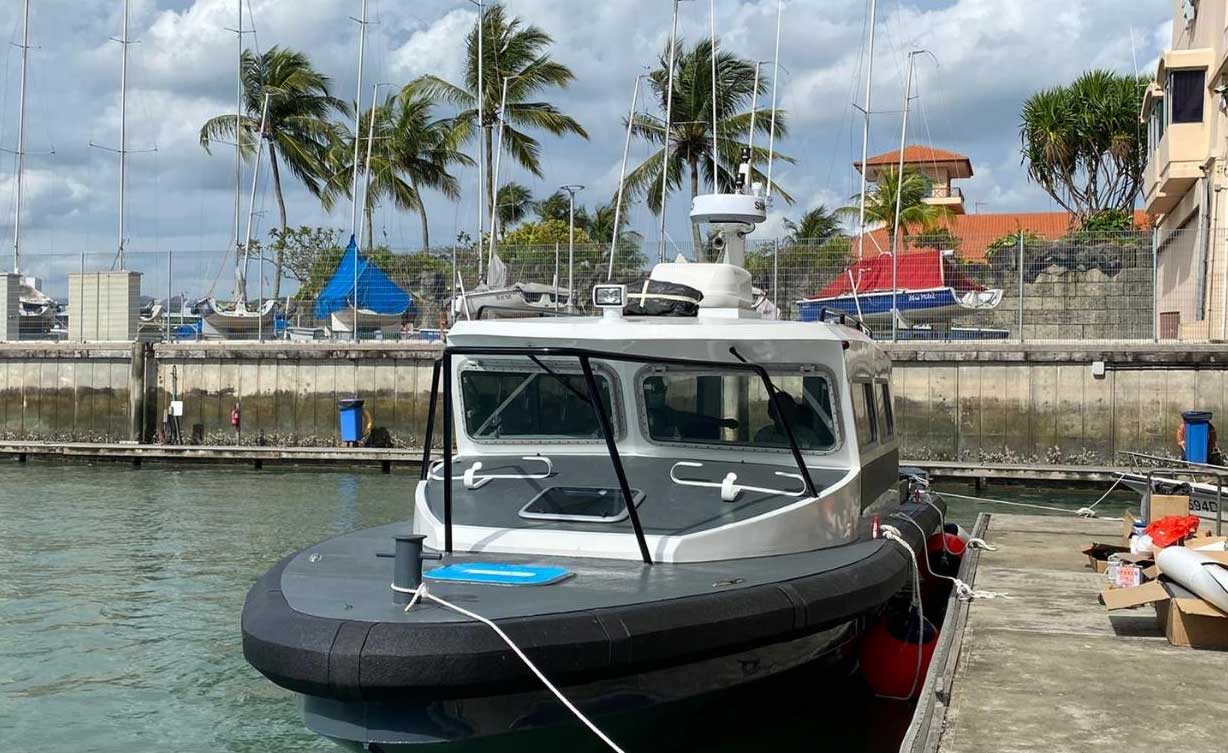
Importance of Marine Fenders
When it comes to maritime safety, one aspect that should never be overlooked is the significance of marine fenders. The
marine fenders play a critical role in protecting boats, ships, and port infrastructure from potential damage during docking and
mooring operations.
In this blog post, we will dive into the importance of marine fenders, highlighting their crucial role in maritime safety.
Additionally, we will explore different types of marine fenders and provide recommendations based on the type of vessel,
aiming to educate our audience about their availability and encourage their use in boat and shipbuilding endeavors.
Why Marine Fenders Matter
Preventing Collisions and Damage: Marine fenders act as a shield between vessels and berths, absorbing and dissipating the
impact energy that occurs during docking or berthing. By reducing the forces exerted on ships and port infrastructure, fenders
prevent collisions and minimize potential damage.
The kinetic energy generated during vessel impact is transformed into a cushioned force that is absorbed by the fender,
protecting both the vessel and the surrounding structures. Whether you are building a small boat or a large ship, incorporating
marine fenders into your design is crucial for safeguarding both your vessel and the surrounding structures.
Preserving Port Infrastructure: Ports serve as vital gateways for trade and transportation, and the durability of their
infrastructure is paramount. Marine fenders play a pivotal role in preserving port facilities by reducing stress on quay walls,
piers, and dolphins.
Without fenders, repeated vessel impacts could lead to structural damage, compromising the safety and efficiency of the port.
By incorporating appropriate fenders, you contribute to the longevity and integrity of the port infrastructure. This, in turn,
reduces maintenance costs and ensures continuous operations without compromising safety.
Types of Marine Fenders and Recommendations
Cylindrical Fenders: Cylindrical fenders are versatile and suitable for a wide range of vessels, from small boats to large
ships. They provide effective protection against both parallel and angular impacts, making them a popular choice for various
docking scenarios. For smaller boats and recreational vessels, smaller-sized cylindrical fenders are recommended. Larger
vessels, such as cargo ships or tankers, would benefit from larger cylindrical fenders that can handle greater impact forces.
Cell Fenders: Cell fenders are highly efficient in absorbing large amounts of energy during vessel impact. They are
particularly suitable for berths with high tidal variations and large vessels. For large ships and berths with significant
tidal variations, incorporating cell fenders with higher energy absorption capacity is recommended. This ensures optimal
protection and minimizes the risk of damage due to intense impacts.
Cone Fenders: Cone fenders offer excellent energy absorption and low reaction forces, making them ideal for berths with
limited space. They perform well under varying berthing angles, making them suitable for both small and large vessels. For
vessels operating in confined areas or berthing at acute angles, cone fenders are recommended due to their compact design
and efficient use of available space.
Arch Fenders: Arch fenders distribute the impact load evenly, reducing stress on the vessel and the dock. They are particularly
suitable for areas with large tidal variations or when vessels have significant angular berthing requirements. For busy ports
with frequent vessel traffic and varying tidal conditions, incorporating robust arch fenders is recommended to ensure maximum
protection and durability.
D-shaped Fenders: D-shaped fenders are commonly used on quays, corners, and bow or stern areas of vessels. They provide reliable
protection against protruding structures and can accommodate a wide range of vessel sizes and shapes.
Foam Fenders: Foam fenders are lightweight and offer excellent impact absorption properties. They are often used in smaller boats
and recreational vessels, providing reliable protection without causing damage to the boat’s hull.
Conclusion
Marine fenders are a critical component in ensuring maritime safety and protecting both vessels and port infrastructure. By
absorbing impact forces and reducing potential damage during docking and mooring operations, fenders play an indispensable role
in safeguarding the seas. When choosing marine fenders, it is important to consider the type and size of the vessel, as well as
the specific berthing requirements.
Selecting the appropriate fender type, such as cylindrical, cell, cone, or arch fenders, based on the vessel’s characteristics
and operating conditions enhances the safety and efficiency of maritime operations. By embracing the importance of marine fenders
and making informed choices, we can contribute to responsible and secure navigation while ensuring the longevity and integrity of
our vessels and port infrastructure.
More info on our website: https://www.fivepp.com.sg/
Check our social media page: https://www.facebook.com/fiveab/
Recently View Article







message us
Need more information or assistance?
We are here to help.