


 0
0

Exploring Electric Outboards: The Future of Boating
- by Five Power Products
- April 17, 2024
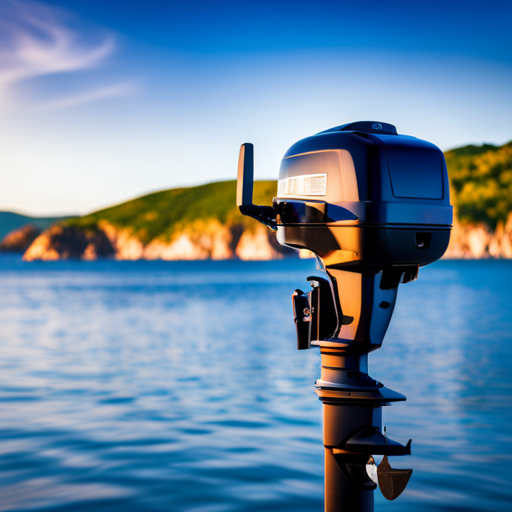
In recent years, the boating industry has witnessed a surge in the popularity of electric outboard motors. As the world increasingly embraces sustainable alternatives, electric outboards offer a cleaner and quieter boating experience. In this blog post, we will delve into the reasons why electric outboards are gaining traction, discuss their advantages and disadvantages, explore the types of boats suitable for electric outboard installation, and provide other essential information for the audience to consider.
Why Choose an Electric Outboard?
Environmental Friendliness: Electric motors produce zero emissions, contributing to cleaner air and a healthier marine environment. They help reduce noise pollution, making boating more enjoyable for both passengers and marine life.
Energy Efficiency: Electric motors convert energy from batteries into propulsion more efficiently than traditional fuel-powered engines. This efficiency translates to longer battery life and increased range, allowing for extended boating trips.
Lower Operational Costs: While the upfront cost of electric motors may be higher, their operational costs are significantly lower compared to fuel-powered engines. Electric motors require less maintenance, and the cost of recharging batteries is generally lower than purchasing fuel.
Quiet and Smooth Operation: Electric motors offer a remarkably quiet and smooth boating experience. This allows for better communication between passengers, enhanced wildlife observation, and reduced disturbance to tranquil marine environments.
Advantages of Electric Outboards
Sustainability: Electric outboards contribute to a greener and more sustainable boating industry by reducing carbon emissions and reliance on fossil fuels.
Low Maintenance: Electric outboards have fewer moving parts than traditional engines, resulting in lower maintenance requirements and fewer chances of mechanical failure.
Instant Torque: Electric motors provide instant torque, delivering responsive acceleration and quick maneuverability on the water.
User-Friendly: Electric outboards are easy to operate, with simple controls and no need for complex engine maintenance tasks such as oil changes or spark plug replacements.
Disadvantages of Electric Outboards
Limited Range: Electric outboards generally have a limited range compared to fuel-powered engines due to battery capacity. However, advancements in battery technology are continuously improving range capabilities.
Longer Recharge Times: Recharging batteries takes longer than refueling with gasoline. It’s important to plan accordingly and consider the availability of charging stations or the feasibility of carrying a backup battery.
Upfront Cost: Electric outboards tend to have a higher initial cost compared to traditional engines. However, the long-term operational savings can offset this initial investment over time.
Boat Types Suitable for Electric Outboards
Recreational Boats: Electric outboards are well-suited for small to medium-sized recreational boats used for leisurely cruising, fishing, or water sports.
Pontoon Boats: Pontoon boats, known for their stability and leisurely pace, are ideal candidates for electric outboard installations.
Inland Waterway Boats: Electric propulsion outboards are particularly suitable for boats used in inland waterways, where noise reduction and environmental considerations are important.
Other Considerations
Battery Technology: Stay informed about the latest advancements in battery technology. Lithium-ion batteries are currently the most common choice for electric outboards, offering a good balance between weight, capacity, and lifespan.
Charging Infrastructure: Assess the availability of charging stations in your boating area and plan your trips accordingly. It’s important to ensure that you have access to charging facilities or a backup power source.
Weight Distribution: Electric motors tend to be heavier than their fuel-powered counterparts. Consider the weight distribution of your boat to ensure it remains balanced and stable.
Conclusion
Electric motors represent a promising future for the boating industry, offering a greener and more sustainable alternative to traditional engines. While they have certain limitations, the numerous advantages, such as environmental friendliness, lower operational costs, and smooth operation, make them an appealing option for boaters. By considering the boat type, battery technology, charging infrastructure, and other relevant factors, you can make an informed decision and embrace the electric revolution in boating.
More info on our website: https://www.fivepp.com.sg/
Check our social media page: https://www.facebook.com/fiveab/

Recently View Article






message us
Need more information or assistance?
We are here to help.