


 0
0

The Future of Marine Engine Regulations: What Boat Owners Need to Know
- by Five Power Products
- December 02, 2024

Marine engine regulations are constantly evolving as governments and international organizations aim to reduce
environmental impacts, improve safety standards, and address technological advancements. For boat owners, staying
informed about these changes is essential to ensure compliance and make smart choices regarding engine upgrades or
replacements. In this article, we will explore the key trends and upcoming regulatory changes that could affect
marine engines in the near future.
Stricter Emission Standards
As concerns over climate change and air quality grow, regulatory bodies worldwide are implementing stricter emission
standards for marine engines. These standards primarily target pollutants such as nitrogen oxides (NOx), sulfur oxides
(SOx), carbon monoxide (CO), and particulate matter (PM).
International Maritime Organization (IMO): The IMO’s MARPOL Annex VI regulations set limits on NOx and SOx emissions
for ships, particularly within designated Emission Control Areas (ECAs), which include regions like the North American
coast, the Baltic Sea, and the North Sea. For recreational and commercial boat owners, this means that engines must meet
Tier III NOx emission standards within ECAs, which are stricter than Tier II standards applied elsewhere.
European Union and U.S. Regulations: The European Union’s Stage V and the U.S. Environmental Protection Agency’s
(EPA) Tier 4 standards set stringent limits on engine emissions. These regulations affect new marine engines and
require manufacturers to integrate advanced technologies such as exhaust gas recirculation (EGR), selective catalytic
reduction (SCR), or diesel particulate filters (DPF).
Boat owners may need to upgrade or retrofit existing engines to comply with the latest emission standards, particularly if
operating within ECAs or highly regulated waters.
The Rise of Hybrid and Electric Propulsion
Hybrid and electric propulsion systems are gaining popularity as boat owners seek cleaner and more efficient alternatives to
traditional internal combustion engines. Regulatory bodies are encouraging the adoption of hybrid and electric technologies
through incentives, subsidies, and emission exemptions.
Electric Propulsion Incentives: Governments in Europe and North America are providing financial incentives for the adoption
of electric and hybrid marine propulsion systems. For example, Norway is leading the way by offering subsidies for electric
ferries and banning traditional combustion engines in certain fjords by 2026.
Emission Exemptions: Some regions are relaxing emission requirements for electric and hybrid vessels, recognizing the lower
environmental impact of these technologies. For boat owners, switching to a hybrid or electric system could mean reduced
compliance costs and easier navigation through regulated waters.
With advancements in battery technology, energy storage capacity, and charging infrastructure, the trend toward electric and
hybrid propulsion is expected to continue. Boat owners should consider these options, especially for smaller vessels or
vessels operating in coastal and inland waters.
Biofuels and Alternative Fuels
The use of biofuels and alternative fuels is another key area where marine engine regulations are evolving. As traditional fuels
like diesel and gasoline contribute to greenhouse gas emissions, regulators are promoting cleaner alternatives.
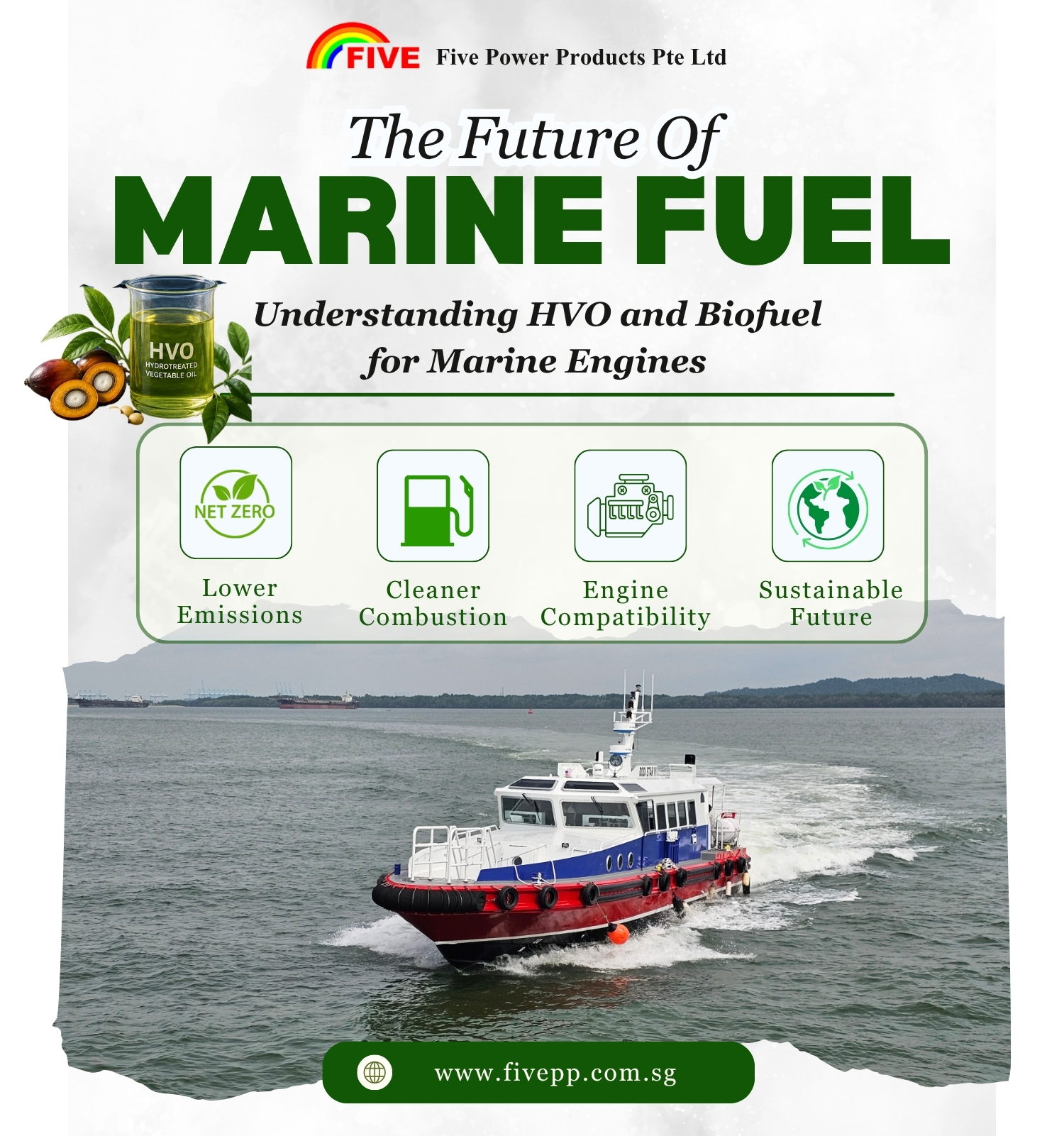
Biofuels: Blends of biodiesel or renewable diesel are increasingly being used in marine engines to reduce carbon footprints.
Some regulations now require a certain percentage of biofuel in marine fuel blends. Biofuels can be used in existing diesel
engines with minimal modifications, making them an attractive option for boat owners who want to lower emissions without
replacing their engines.
Liquefied Natural Gas (LNG) and Hydrogen: For larger vessels, LNG and hydrogen are being explored as alternative fuels due
to their lower emissions compared to diesel. While infrastructure for these fuels is still developing, regulatory frameworks
are beginning to support their use. For example, some emission regulations offer leniency for vessels running on LNG,
recognizing its lower NOx and SOx emissions.
Boat owners should stay informed about the availability of alternative fuels and consider whether switching fuels could help
them meet current and future regulatory requirements.
Noise Regulations
Noise pollution is gaining attention as a significant environmental concern in marine operations. Marine engine regulations are
now addressing underwater noise and its impact on marine wildlife, such as whales and dolphins.
Regional Noise Limits: Certain countries and regions have begun setting limits on underwater noise levels generated by
boats, particularly in sensitive marine habitats. These regulations may require the use of quieter engine technologies
or noise-reducing equipment, such as propeller modifications, sound-dampening materials, or electric propulsion systems.
Engine Noise Standards: Some regulatory bodies are introducing maximum noise levels for marine engines, similar to emission
standards. Boat owners may need to retrofit older engines or invest in noise-reducing technologies to comply with these new
rules.
Digital Monitoring and Compliance
Regulators are increasingly adopting digital tools to ensure compliance with marine engine regulations. These include
electronic logging devices (ELDs), engine monitoring systems, and emissions tracking technologies.
Onboard Monitoring Systems: In some regions, boats are required to have onboard monitoring systems that record emissions
data. This data is used to verify compliance with emission limits and detect any non-compliance in real-time. For boat
owners, this means investing in digital monitoring solutions and ensuring their engines are properly maintained to avoid
penalties.
Remote Compliance Checks: Authorities may conduct remote compliance checks using data from digital monitoring systems,
reducing the need for physical inspections. This shift emphasizes the importance of keeping digital records up to date
and ensuring that monitoring systems are functioning correctly.
Future Regulations to Watch
Several upcoming regulatory trends could shape the future of marine engine standards. Boat owners should be aware of these
developments to prepare for potential changes:
Zero-Emission Zones (ZEZs): Some cities and ports are planning to establish zero-emission zones where only electric or
zero-emission vessels are allowed to operate. These zones could expand in the future, potentially requiring boat owners
to adopt zero-emission propulsion systems.
Carbon Tax or Emission Fees: There is growing support for implementing carbon taxes or emission fees for marine vessels,
incentivizing the reduction of greenhouse gas emissions. Such measures would affect fuel costs and operating expenses for
boat owners.
Phasing Out Fossil Fuel Engines: Some countries are considering timelines for phasing out the sale of new fossil fuel-powered
marine engines. For instance, the European Union has set ambitious goals for reducing greenhouse gas emissions from the
shipping sector, which could eventually extend to smaller recreational boats.
Conclusion
The future of marine engine regulations is geared towards creating a cleaner, safer, and more sustainable boating environment.
For boat owners, staying informed about evolving standards is crucial for compliance and planning engine upgrades or
replacements. The transition to cleaner propulsion technologies, the adoption of alternative fuels, and the integration of
digital monitoring systems are some of the key areas where regulations are tightening. By understanding these trends, boat
owners can make proactive decisions to navigate regulatory changes smoothly and minimize their environmental footprint.
Keeping abreast of the latest regulatory updates and investing in future-proof technologies will not only ensure compliance
but also contribute to a more sustainable and responsible boating community.
More info on our website: https://www.fivepp.com.sg/blogs/
Check our social media page: https://www.facebook.com/fiveab/
Recently View Article





message us
Need more information or assistance?
We are here to help.